- Sunday, 18 January 2026
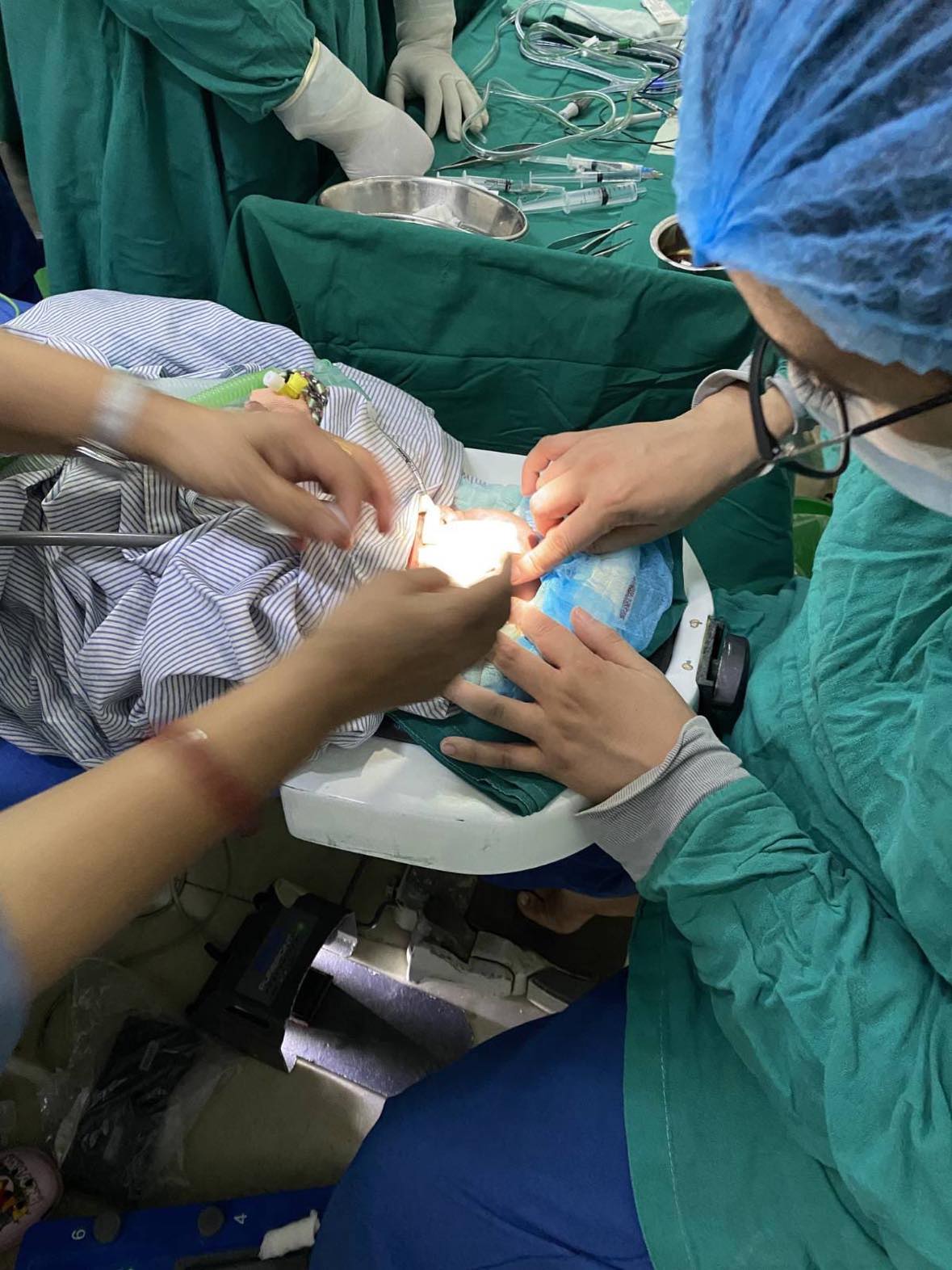
Kathmandu, Jan. 18: Tribhuvan University Teaching Hospital has terminated all treatment services under the Health Insurance Programme, citing an inability to sustain operations while bearing a monthly loss of Rs. 20 million.
The Health Insurance Board currently owes more than Rs. 400 million to the hospital. According to hospital officials, the Insurance Board has failed to clear its dues for the past two years.
Meanwhile, as the number of patients seeking treatment through the health insurance programme continues to rise, the hospital’s monthly expenses have reached approximately Rs. 50 million.
Like the Teaching Hospital, many other hospitals have already warned the Insurance Board to settle pending payments and have issued ultimatums.
The health insurance programme is one of several initiatives introduced by the government to implement the constitutional right to health. Article 35 of Nepal’s Constitution guarantees free basic health services to every citizen. However, this essential programme is now at risk of failure.
Although the government introduced the health insurance programme to provide citizens with easy access to quality healthcare, it has stalled due to administrative and financial issues. The Insurance Board has listed 464 health institutions nationwide, including nursing homes and clinics. Among them, 52 private health institutions were participating, providing nearly 30 per cent of the services.
After the government restricted private hospitals and medical colleges from operating insurance services, many private institutions withdrew from the programme.
Not only private hospitals, but also several community-based, cooperative, and government-run hospitals are now considering opting out of the insurance system.
Private hospitals such as Chitwan Medical College, Birat Medical College, B&C Teaching Hospital, Nobel Medical College, Lifeline Hospital, Mechi Netralaya, National Medical College, Rapti Eye Hospital, Nepalgunj Medical College, and others have already suspended their insurance services.
Furthermore, several government-run hospitals have warned that they will also withdraw from the programme if the Insurance Board fails to clear outstanding payments.
If the health insurance programme is terminated, it will directly affect ordinary citizens. Stakeholders warn that if the current situation persists, the programme could collapse entirely, leaving the general public without access to affordable healthcare.