- Sunday, 5 April 2026
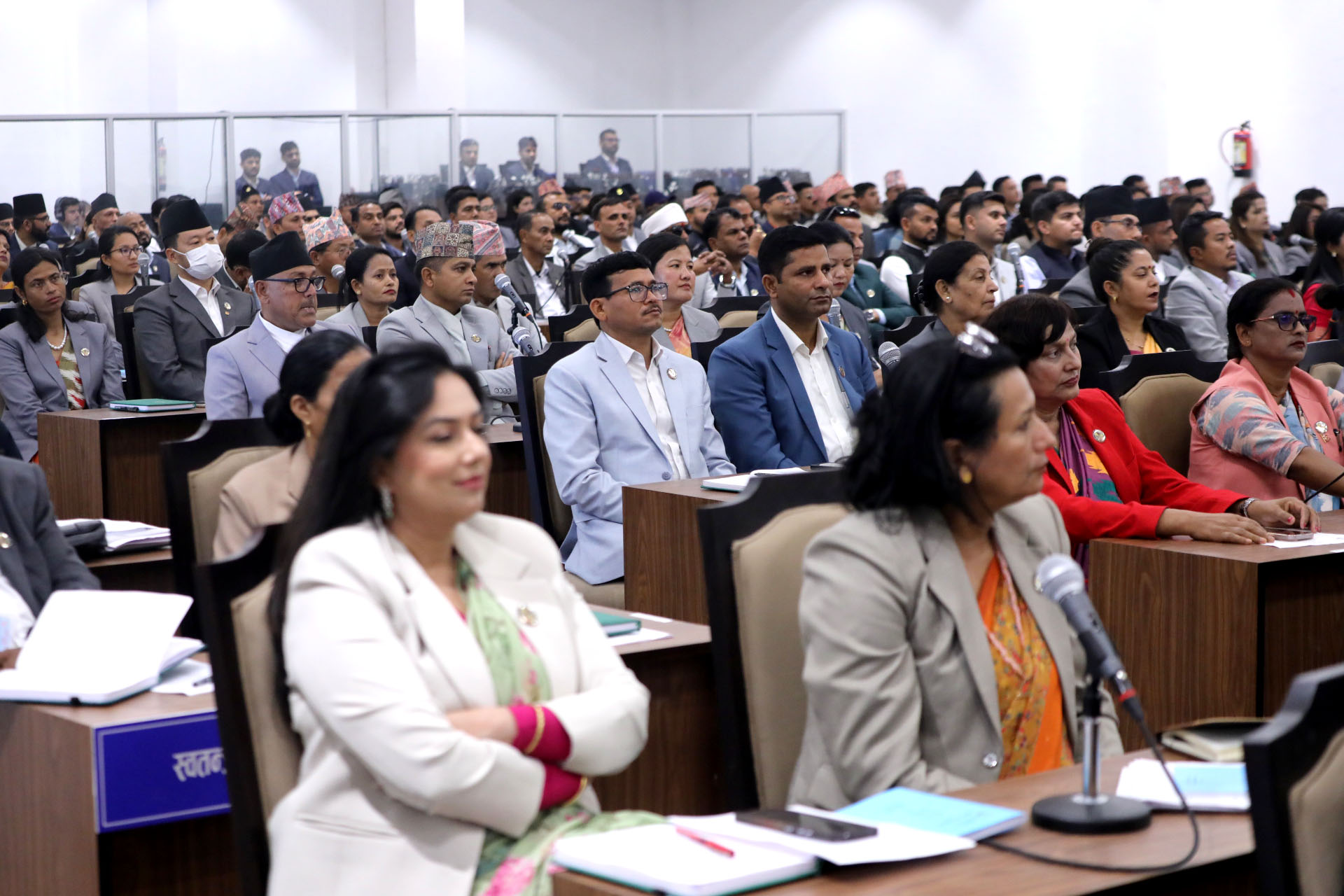
Kathmandu, April 5: With the convening of the newly elected House of Representatives (HoR), the parliamentary process has finally resumed, ending speculation over whether the constitution, derailed following the Gen Z Movement on September 8 and 9 last year, would remain intact. The HoR was dissolved on September 12, 2025, by the interim government formed after the violent September movement that toppled the KP Sharma Oli-led government. The move intended to address the immediate political crisis raised concerns about the safeguarding of the constitution promulgated in 2015 by the people-elected two Constituent Assemblies, and after eight long years of hectic exercises. However, the interim government led by Sushila Karki managed to safeguard the hard-earned national charter by holding parliamentary elections in the announced timeframe and handing over power to the new government formed by the newly elected HoR. The House is set to elect a new Speaker on Sunday and a Deputy Speaker later, while the National Assembly will elect a new Vice Chairperson. With the ruling Rastriya Swatantra Party enjoying nearly a two-thirds majority in the 275-member HoR, and only Dol Prasad Aryal, the party’s vice president, having filed nomination, his election as Speaker appears certain.
Leaders addressing the first meeting of the House on Thursday reaffirmed their commitment to the constitution, while highlighting governance reforms, accountability, and inclusive development as key priorities. Rastriya Swatantra Party President Rabi Lamichhane pledged structural reforms, improved governance, and strong support for the private sector. Emphasising the importance of a strong opposition in a functioning democracy, he noted that Parliament must serve as a platform for debate, not revenge. He also committed to correcting past legal and political missteps and ensuring transparency in both domestic governance and foreign policy. Nepali Congress MP Bhishma Raj Angdambe called for unity, accountability, and renewed public trust as Nepal embarks on a new parliamentary journey. CPN (UML) Vice Chairman and lawmaker Ram Bahadur Thapa pledged a constructive and responsible opposition. Similarly, Nepali Communist Party lawmaker Barshaman Pun stressed that the key constitutional achievements, including democracy, republicanism, and inclusiveness, must remain intact. Shram Sanskriti Party Chairman Harka Raj Rai Sampang urged the government to prioritise peace, security, healthcare, drinking water, and social welfare, including reviewing old age allowances and student organisations. Likewise, Rastriya Prajatantra Party MP Gyanendra Shahi and independent MP Mahabir Pun stressed the need for stronger anti-corruption measures.
The first-day meeting clearly indicated that the political parties are committed to acting in the spirit of the Gen Z movement by delivering tangible transformation in citizens’ lives, curbing corruption, and ensuring good governance. The Gen Z movement itself was a revolt against long-standing malpractices in Nepal’s politics, particularly entrenched corruption and the protection of corrupt individuals by the state. This commitment was also reflected in the circular issued by Chief Secretary Suman Raj Aryal on the same day, directing all public offices, ministries, commissions, and their subordinate agencies to prioritise effective anti-corruption measures. In a parliamentary democracy like ours, Parliament plays a central role in making major decisions and formulating laws. As it comprises elected representatives of the people, it must reflect and respect public aspirations. The proceedings of the first day, marked by clear priorities from political leaders and tabling of three ordinances by the government, offer a cautiously optimistic start to this new parliamentary term.