- Sunday, 7 June 2026
Kathmandu, June 7: A study report has revealed a significant gap in healthcare access, nutrition and emotional wellbeing among elderly citizens of Lo Manthang, Mustang.
Widespread migration of children for work and education has weakened traditional family support systems, with 71 families found to be living without their children, many seniors reporting deep feeling of loneliness and abandonment despite receiving financial remittances, according to the study report.
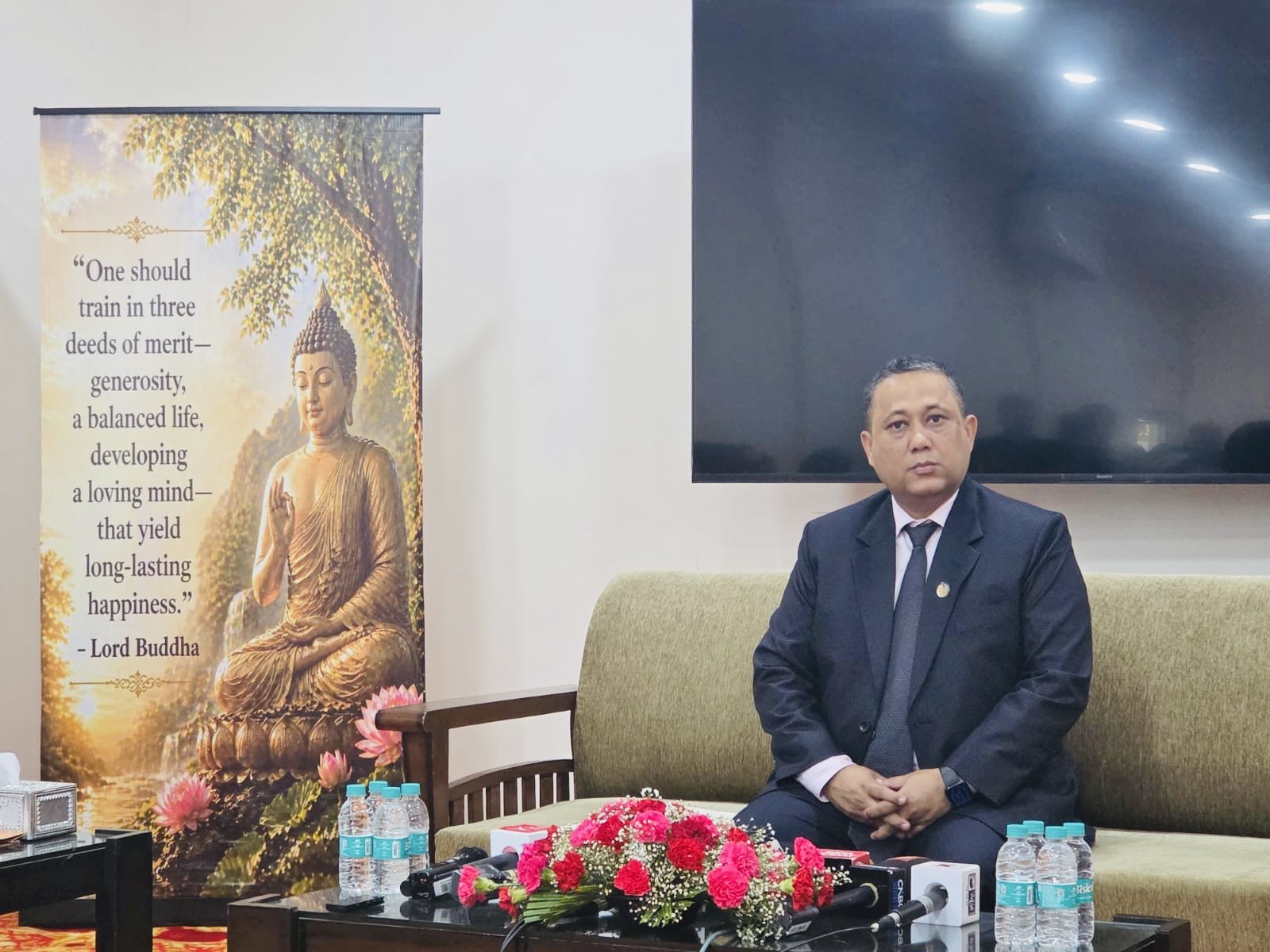
The research findings were shared by the Nexus Institute of Research and Innovation (NIRI), Nepal in partnership with Kalasha Foundation, Switzerland in federal capital, Kathmandu on Saturday.
Principal researcher for the Senior Citizen Care (SCC) Project, Dr Tulasi Acharya, stated, “People used to live within large, protected joint families where three generations shared the responsibility of managing everyday life. However, lifestyles have changed significantly in Nepal and today, many elderly individuals find themselves navigating old age largely alone, without the family structures that once sustained them.”
Similarly, Project Manager at SCC Project, Dr Puspa Mani Kharal, observed, “The people of Lomanthang want to continue living there despite remoteness and difficulties that come with limited access to facilities. They do not want to leave their culture, their land or their home.” He suggested that proper care could improve their living standards.
The SCC project had conducted a field study in five wards of Lomanthang Rural Municipality which is located at nearly 3,800 metres above sea level. A total of 188 senior citizens aged 65 to 89 years (86 males, 102 females; mean age 75.5 years) were interviewed using both qualitative and quantitative methods. Senior citizens in Lomanthang account for 13.1 percent of the local population.
It was further shared that from a sociological perspective, loneliness was identified as a major concern with many elderly individuals spending entire days without meaningful human interaction, as their children are either abroad or occupied with work.
The study also highlighted the potential of a community-based care model utilizing female community health volunteers (FCHVS) as a low-cost and scalable solution for elderly care in remote communities, while acknowledging challenges such as limited literacy among some volunteers. “The FCHV senior care giving model holds strong potential for replication in other remote communities across Nepal,” a press release issued by the NIRI stated.
It further recommended formal incorporation of the emotional and psychological needs of elderly populations within Nepal’s health policy framework, ensuring effective implementation at the community level.
The research findings were shared in a programme attended by the health, medical and policy professionals, researchers and stakeholders. A comprehensive field study was conducted among elderly citizens of Lomanthang Rural Municipality of upper Mustang as part of the research.